

Theory of Change
A philosophy two
decades in the making
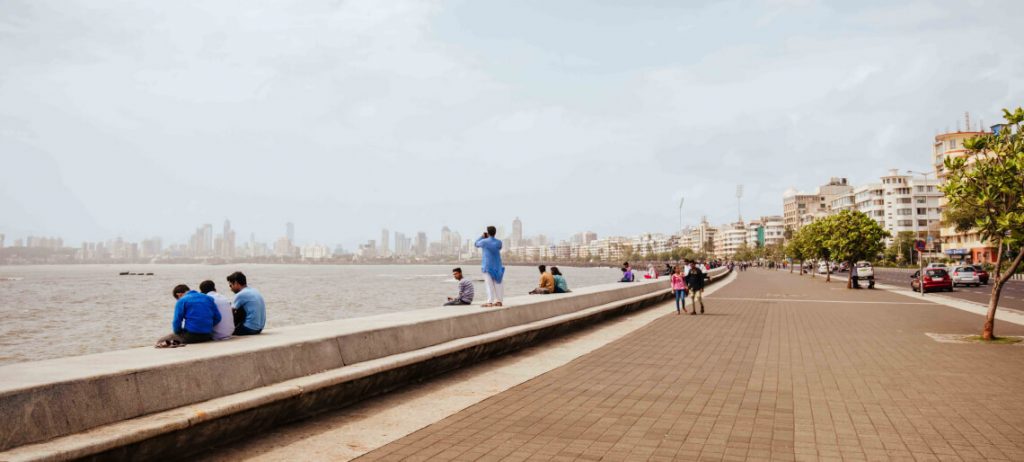
There are multiple challenges that afflict our cities – from potholes and pollution to inefficient waste management and poor infrastructure.
To resolve them conclusively, we must recognise them as symptoms of a bigger problem: poorly designed, ineffectual city systems.

Building robust city-systems is the key to robust cities
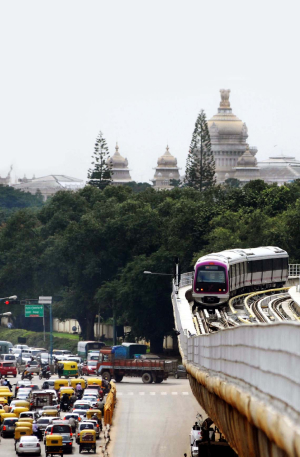
Addressing root causes to resolve recurrent challenges
City-systems refer to the government machinery that delivers services and infrastructure. This includes laws, policies, institutions, processes, capacities, and frameworks.
It is a holistic way of thinking about cities and a sustainable way to address the problems they face.

Addressing root causes to resolve recurrent challenges
City-systems refer to the government machinery that delivers services and infrastructure. This includes laws, policies, institutions, processes, capacities, and frameworks.
It is a holistic way of thinking about cities and a sustainable way to address the problems they face.
We approach urban governance reform through:
01
Planning and Design
Placing people at the heart of how cities are shaped — with roads, public spaces, and neighbourhoods that work for all.
02
Decentralised Participatory Governance
Deepening democracy at the local level — through empowered city governments, engaged citizens, and capable councillors.
03
State Capacities
Strengthening finances and capacities so cities can deliver on the promise of what they can be.

A puzzle with many moving parts
Our work on city-systems advances outcomes across four intersectional areas:
01 Public Health
02 Environment
03 Women
04 Urban Poor
Stronger City-Systems Shape Better Outcomes for All
Public health, the environment, and equity are not separate agendas — they are shaped by the same underlying systems. A walkable road is climate infrastructure, a public health asset, and an equity intervention. An empowered woman councillor strengthens local democracy while bringing gender-responsive priorities into governance. Fiscal transparency means public spending can be tracked against stated priorities — and decision-makers held to account.
Journey
Janaagraha was founded in December 2001 by Swati and Ramesh Ramanathan. The duo’s contrasting experiences as citizens in Indian and global cities inspired them to pioneer citizen participation and urban governance reforms in India.

Journey
Janaagraha was founded in December 2001 by Swati and Ramesh Ramanathan. The duo’s contrasting experiences as citizens in Indian and global cities inspired them to pioneer citizen participation and urban governance reforms in India.


Collaborative Action for Collective Good
Access Resources
Facilitate change at the neighbourhood level.
Partner
Channel efforts and resources towards shared goals.
Join
Become a part of the Janaagraha movement.